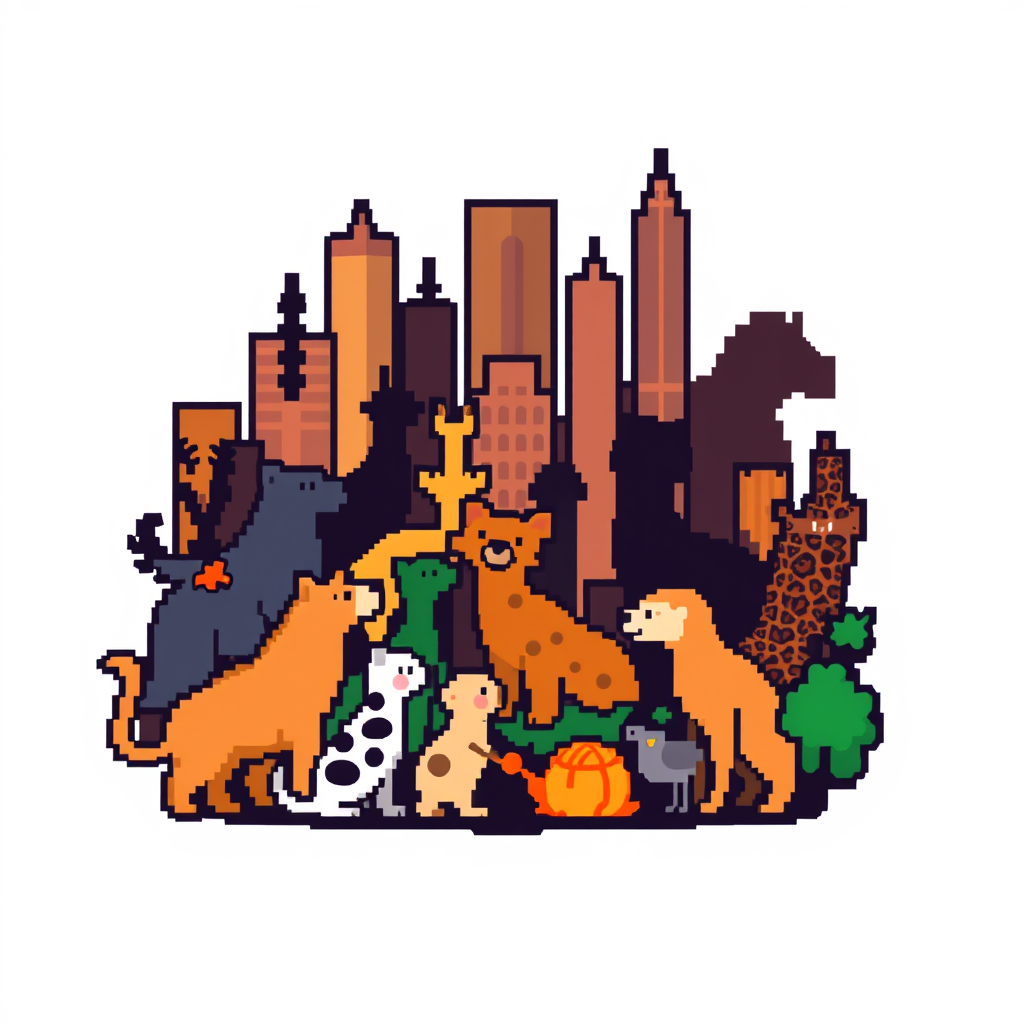
In every neighborhood, animals play an essential role in our daily lives—whether they are beloved pets, working animals, or even wildlife that share our environment. To create a safe and thriving community for both humans and animals, it’s crucial to build a strong network where pet owners, local animal control officers, and the broader community work together with shared goals.
The Power of Connection
A well-connected community recognizes that responsible pet ownership, public safety, and animal welfare go hand in hand. When pet owners, local authorities, and community members collaborate, they can:
- Promote Responsible Pet Ownership – Educating pet owners about proper care, vaccinations, and leash laws helps reduce issues like strays, neglected animals, and preventable health risks.
- Ensure Animal and Public Safety – Animal control officers work not only to enforce laws but also to support owners with education and resources, ensuring pets stay safe and do not pose a risk to others.
- Encourage Adoption and Reduce Overpopulation – Through community-driven efforts like spay/neuter programs, adoption events, and fostering networks, unwanted animal populations can be managed compassionately.
- Protect Wildlife and Domestic Animals – Understanding how to coexist with local wildlife and recognizing signs of cruelty or neglect helps create a balanced and humane environment.
How We Can Work Together
1. Education and Outreach
Workshops, social media campaigns, and neighborhood meetings can help inform pet owners about best practices for animal care. Simple initiatives like sharing information about microchipping or the importance of licensing pets can prevent many issues before they arise.
2. Stronger Relationships Between Pet Owners and Animal Control
Many people see animal control officers as just enforcers of the law, but in reality, they are key players in animal welfare. Hosting community meet-and-greets with local officers helps bridge gaps in understanding and build trust.
3. Community Watch for Animals
Just like a neighborhood watch program, an “Animal Watch” group can help report lost pets, cases of neglect, or concerns about wildlife in urban areas. This collective effort helps keep animals and people safe.
4. Volunteering and Support Networks
By getting involved with local shelters, rescue groups, or low-cost veterinary clinics, residents can support community-wide efforts to reduce stray populations and improve animal welfare.
5. Emergency Preparedness for Pets
Communities that plan ahead for disasters—such as wildfires, floods, or extreme weather—should include animals in their emergency plans. Organizing pet-friendly shelters and sharing evacuation strategies can save lives.
A Better Future for All
When pet owners, local authorities, and community members unite with a common purpose, we create an environment where both animals and humans can thrive. By fostering education, collaboration, and compassion, we strengthen the foundation of a community that respects and cares for all its inhabitants—two-legged and four-legged alike.
Let’s work together to build a future where responsible pet ownership, public safety, and animal welfare are top priorities. A community that looks out for its animals is a community that looks out for everyone.
 Animal Control Blog
Leave a comment