
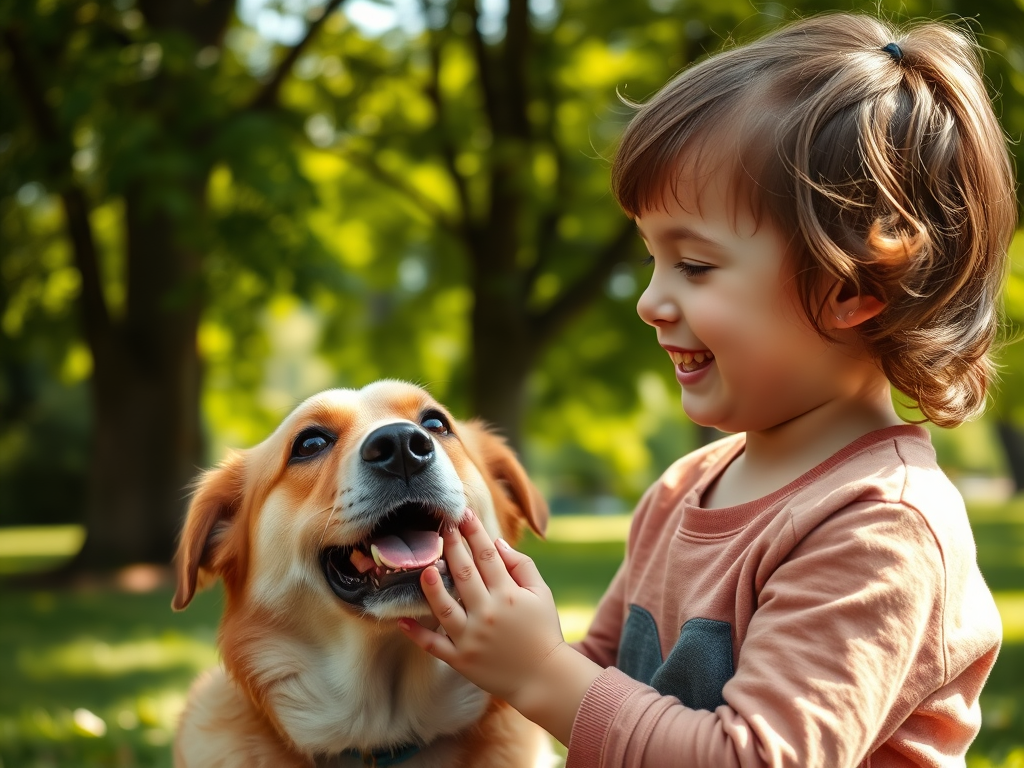
The relationship between humans and animals has been cherished for centuries. From domesticated pets to working animals, this bond is woven into the fabric of human history. But beyond companionship, research has consistently shown that the human-animal connection has deep psychological, emotional, and even physiological benefits. In this blog post, we will explore the importance of the human-animal bond.
Emotional and Psychological Well-Being
One of the most widely recognized benefits of human-animal relationships is their impact on mental health. Studies have shown that pet ownership can reduce stress, anxiety, and depression. According to research from the Human-Animal Bond Research Institute (HABRI), interacting with pets increases oxytocin levels, the hormone responsible for promoting feelings of love and trust. Additionally, petting a dog or cat has been linked to lower cortisol levels, which helps regulate stress.
Animals also play a crucial role in therapy. Animal-assisted therapy (AAT) has been found to improve mental health outcomes in patients suffering from post-traumatic stress disorder (PTSD), autism spectrum disorder, and other conditions. For example, veterans with PTSD who engage with therapy dogs often experience lower anxiety levels, improved emotional regulation, and increased social engagement.
Physical Health Benefits
Beyond emotional well-being, human-animal relationships contribute to physical health improvements. Studies show that pet owners tend to have lower blood pressure, cholesterol levels, and reduced risks of cardiovascular disease. Research from the American Heart Association suggests that dog ownership, in particular, encourages physical activity, as dog owners are more likely to engage in regular exercise.
Moreover, service animals provide essential support for individuals with disabilities. Guide dogs for the visually impaired, seizure-detecting dogs, and emotional support animals significantly enhance the quality of life for their owners by fostering independence and security.
Social Connection and Loneliness Reduction
Loneliness has been labeled a public health crisis, especially in aging populations. Research suggests that pet companionship mitigates feelings of isolation, providing individuals with a sense of purpose and routine. Studies have also indicated that pets facilitate social interactions, as pet owners are more likely to engage with others in their communities, whether through dog parks, pet-friendly spaces, or online pet communities.
In children, pets have been found to improve social development and emotional intelligence. A study from the University of Cambridge found that children who grow up with pets tend to have higher self-esteem, better empathy, and stronger social skills. Similarly, therapy animals are used in schools and hospitals to support children with emotional or developmental challenges.
Therapeutic Benefits in Healthcare Settings
The presence of animals in healthcare environments has shown remarkable effects on patients. Hospitals, nursing homes, and rehabilitation centers increasingly incorporate therapy animals to boost patient morale and facilitate recovery. Research indicates that interacting with therapy animals can lead to shorter hospital stays, improved pain management, and increased motivation for rehabilitation in patients recovering from surgery or illness.
For individuals with neurodevelopmental disorders such as autism, animal interactions can provide sensory relief and emotional grounding. Equine therapy, for example, has been effective in helping individuals with autism improve communication skills and reduce anxiety.
The Ethical Responsibility of Human-Animal Relationships
While the benefits of the human-animal bond are undeniable, it is crucial to acknowledge the ethical responsibility that comes with pet ownership and animal companionship. Proper care, humane treatment, and respect for the needs of animals are essential in maintaining a positive and mutually beneficial relationship. Organizations advocating for animal welfare emphasize the importance of responsible pet ownership, including proper nutrition, medical care, and mental stimulation for animals.
Conclusion
The profound connection between humans and animals extends far beyond companionship. Scientific research has continuously highlighted the emotional, physical, and social benefits of these relationships, reinforcing the importance of preserving and nurturing the human-animal bond. Whether through pet ownership, therapy animals, or service animals, the presence of animals in our lives contributes to overall well-being and enhances the human experience. As we continue to learn more about this remarkable bond, it becomes increasingly clear that animals are not just our companions—they are essential partners in our journey toward a healthier and happier life.
 Animal Control Blog
Leave a comment